All About Software Service: Understanding the SaaS Revolution
So, what’s this whole fuss about software service? It’s basically a way to get and use software over the internet instead of installing it on your computer.
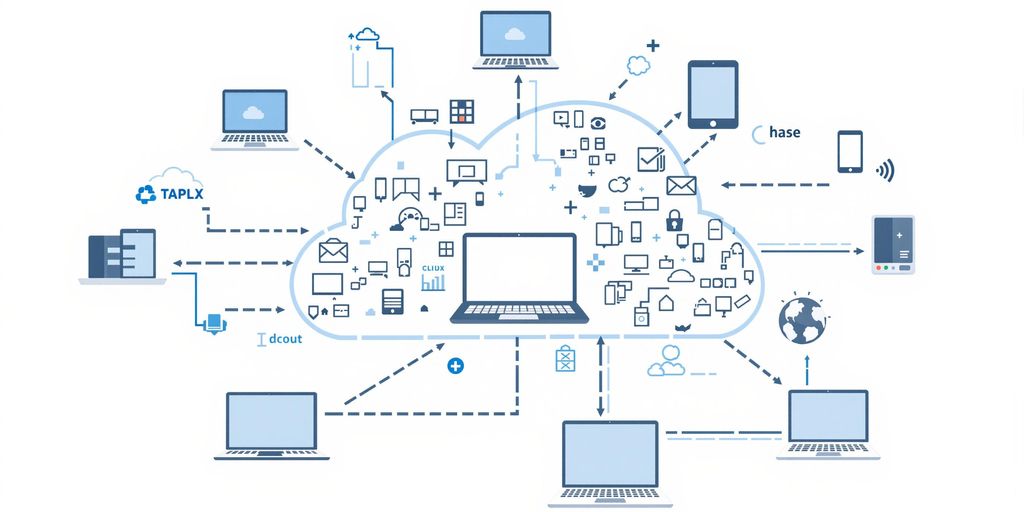
Think of it like streaming a movie instead of buying a DVD. This shift, often called the SaaS revolution, has changed how businesses and people get their software. It’s all about making things easier, more flexible, and often cheaper. We’re going to break down what all about software service really means, why it’s become so popular, how it works behind the scenes, and where it’s headed.
Key Takeaways
- Software as a Service (SaaS) means you access applications online, not installed locally.
- SaaS started from older models but got much better with cloud tech.
- Big pluses include lower initial costs, easy scaling, and access from anywhere.
- Updates and maintenance are handled by the provider, simplifying things for users.
- SaaS is changing how many different industries do business, from healthcare to retail.
Understanding All About Software Service
Software as a Service, or SaaS, is basically a way to get and use software without having to install it on your own computer. Think of it like renting a tool instead of buying it. The company that makes the software keeps it on their computers, and you just access it over the internet, usually through a web browser. This whole setup has really changed how we get and use software, moving away from those old days of buying discs and dealing with complicated installations.
The Core Concept of SaaS
At its heart, SaaS means you’re subscribing to use software. You don’t own the software itself, but you pay a regular fee, often monthly or yearly, to use it. All the heavy lifting – like updates, bug fixes, and keeping the servers running – is handled by the provider. This means you can use the software from pretty much anywhere, as long as you have an internet connection. It’s a big shift from buying a license and being responsible for all the upkeep yourself.
Evolution from ASP to Modern SaaS
Before SaaS became the norm, there was something called Application Service Providers, or ASPs. ASPs were kind of like the early version of SaaS, where companies would host software for others. But they had some issues, especially with handling lots of customers efficiently. Modern SaaS improved on this by using better technology, particularly cloud computing, which allows for more flexibility and better performance for everyone using the service. It’s like going from a basic rental car to a whole fleet that can be managed much more smoothly.
The Cloud Computing Foundation
SaaS wouldn’t really exist without cloud computing. The ‘cloud’ is just a way of saying that the software and your data are stored and run on someone else’s computers, accessed via the internet. This foundation is what makes SaaS so scalable and accessible. Instead of needing powerful hardware on your desk, you’re tapping into resources that are managed and maintained by the SaaS provider. It’s this underlying infrastructure that allows for the flexibility and cost-effectiveness we associate with SaaS today.
Key Benefits of the SaaS Revolution

SaaS has really changed the game for how businesses get and use software. Instead of buying expensive licenses and dealing with installations, you pay a subscription. This makes budgeting way easier because you know exactly what you’ll spend each month or year. It’s like switching from buying a whole car to just paying for your rides.
Reduced Upfront Costs and Predictable Spending
This is a big one. Traditional software often meant a huge initial payment for licenses, plus the cost of hardware to run it. SaaS flips that. You pay a regular fee, usually monthly or annually. This turns a big capital expense into a manageable operating expense. It’s much easier for companies, especially smaller ones, to afford powerful tools without breaking the bank. Plus, you can often scale your subscription up or down as needed, so you’re not paying for more than you use. This predictability helps with financial planning.
Unmatched Scalability and Flexibility
Need more users or features? With SaaS, it’s usually just a few clicks to upgrade your plan. Need to scale back? You can do that too. This flexibility means you’re not stuck with software that’s too big or too small for your needs. It grows with your business. You don’t have to buy new servers or worry about complex upgrades when your company expands. This agility is a huge advantage in today’s fast-paced market. You can adapt quickly to changing demands, which is pretty great for staying competitive. Check out how SaaS can improve your business operations.
Enhanced Accessibility and Remote Work Enablement
Because SaaS applications are accessed over the internet, you can use them from anywhere with a connection. This is a massive win for remote and hybrid work setups. Employees can access the same tools and data whether they’re in the office, at home, or on the road. All they need is a web browser and an internet connection. This boosts productivity and collaboration, as teams can work together regardless of their physical location. It really breaks down geographical barriers.
Automatic Updates and Simplified Maintenance
Forget about manually installing software updates or patches. The SaaS provider handles all of that. They manage the infrastructure, the software itself, and all the updates. This means you always have the latest version with the newest features and security fixes, without your IT team having to lift a finger. It frees up your internal IT staff to focus on more strategic projects instead of routine software maintenance. It’s a huge relief for many IT departments.
The Technical Backbone of SaaS
So, what actually makes all this SaaS magic happen? It’s not just about having an app you can access online; there’s some pretty clever engineering going on behind the scenes. The whole system relies on a robust cloud infrastructure, which is basically the digital real estate where all the software lives and runs. Think of it as the foundation and the power grid for your favorite online tools.
Multi-Tenant Architecture for Efficiency
One of the big ideas in SaaS is called multi-tenancy. Instead of each customer getting their own separate copy of the software, a single instance of the application serves many different customers. It’s like an apartment building where everyone has their own secure living space, but they all share the same building structure, plumbing, and electricity. This setup is super efficient because the provider only has to manage and update one version of the software, making things faster and cheaper for everyone. It also means resources can be shared more effectively, which is good for both the provider and the users. This is a core part of how SaaS providers manage SaaS architecture effectively.
Robust Data Security Measures
Now, you might be thinking, if everyone’s sharing, how is my data kept safe? That’s a fair question, and it’s where security really comes into play. SaaS providers put a lot of effort into making sure your information is protected. This usually involves things like encrypting your data, so even if someone got their hands on it, it would look like gibberish. They also often use multi-factor authentication, which means you need more than just a password to log in, adding an extra layer of protection. Regular security checks and audits are also common to find and fix any potential weak spots before they can be exploited.
Continuous Delivery and Deployment Practices
Another piece of the puzzle is how new features and fixes get to you. SaaS companies often use what’s called continuous delivery and deployment. This means they have streamlined processes to get updates out quickly and reliably. Instead of waiting for big, infrequent software releases, you get new capabilities and bug fixes rolled out regularly, often without you even noticing. This keeps the software running smoothly and ensures you always have the latest improvements without having to do anything yourself. It’s a big part of why SaaS feels so dynamic and up-to-date.
SaaS Impact Across Industries
Software as a Service, or SaaS, has really changed how businesses work across pretty much every sector you can think of. It’s not just about getting software online anymore; it’s about fundamentally rethinking how services are delivered and managed. This shift has made things more efficient and opened up new possibilities.
Transforming Healthcare Data Management
In healthcare, managing patient data is super important, and SaaS has made a big difference here. Think about electronic health records (EHR) systems delivered via SaaS. They allow doctors and hospitals to access patient histories, test results, and treatment plans from anywhere, securely. This means better coordinated care and fewer errors. It’s like having a patient’s entire medical story at your fingertips, instantly and safely. Before SaaS, this kind of data sharing was clunky and often paper-based, which was slow and prone to mistakes. Now, it’s much smoother.
Enhancing Education Through Online Platforms
Education has seen a massive boost from SaaS too. Learning Management Systems (LMS) are a prime example. Students can access course materials, submit assignments, and even participate in online discussions without being tied to a physical classroom. This flexibility is a game-changer, especially with the rise of remote and hybrid learning models. Teachers can also track student progress more easily and personalize learning paths. It’s made education more accessible and adaptable to different learning styles.
Streamlining Finance and Retail Operations
For finance and retail, SaaS solutions are all about efficiency and customer service. In finance, think about cloud-based accounting software or customer relationship management (CRM) tools. They help manage client interactions, track transactions, and ensure compliance with regulations, all while keeping sensitive financial data secure. Retailers are using SaaS for everything from inventory management and point-of-sale systems to e-commerce platforms. This integration helps them keep track of stock, manage sales across different channels, and understand customer behavior better. It’s about having a clear view of your business, from the warehouse floor to the customer’s shopping cart.
The move to SaaS in these industries isn’t just about adopting new technology; it’s about adopting new ways of working that are more connected, responsive, and data-driven. This makes businesses more agile and better equipped to handle the fast pace of modern markets.
Emerging Trends Shaping the SaaS Landscape
The world of Software as a Service isn’t standing still, not by a long shot. It’s constantly shifting, driven by new tech and what businesses actually need. It’s pretty exciting to see how things are changing.
Artificial Intelligence and Machine Learning Integration
One of the biggest shifts we’re seeing is how AI and machine learning are getting baked into SaaS apps. Think about it: apps that can predict what you might need next, give you a more personalized experience, or just handle those repetitive tasks automatically. It’s making software smarter and more helpful. For instance, customer relationship management (CRM) tools are using AI to analyze sales data and predict which leads are most likely to convert. This kind of insight helps sales teams focus their efforts more effectively. It’s a big deal for improving how we work.
The Rise of Vertical SaaS Solutions
We’re also noticing a big move towards vertical SaaS. Instead of one-size-fits-all software, companies are developing specialized applications for specific industries. So, you’ve got healthcare software that understands medical records, or finance software that handles complex transactions. These tailored solutions just make more sense for businesses because they address unique industry problems directly. It’s a smart move for providers too, as it allows them to really zero in on a specific market need. We’re seeing this a lot in areas like healthcare, finance, and retail, where specialized features are a must. It’s a significant change from the earlier days of more general software.
Hybrid Cloud and Edge Computing in SaaS
Then there’s the whole hybrid cloud thing. Businesses aren’t always going 100% cloud; many are mixing their own servers with cloud services. This gives them flexibility, letting them keep sensitive data on-site while still using the cloud for its scalability. Edge computing is another piece of this puzzle. It means processing data closer to where it’s created, which is super important for things that need instant responses, like the Internet of Things (IoT) devices or critical operations. This reduces delays and makes everything run smoother. It’s all about making SaaS work better in different kinds of setups. You can find some great resources on how to approach these kinds of setups if you’re looking to adapt your own SaaS marketing trends.
The constant evolution of SaaS means businesses need to stay aware of these shifts. Understanding how AI, industry-specific solutions, and new computing models like hybrid cloud and edge computing are changing the game is key to making smart technology choices. It’s not just about using software anymore; it’s about using the right software in the right way.
Future Prospects and Innovations in SaaS

The software-as-a-service (SaaS) model isn’t just a passing trend; it’s a fundamental shift in how we access and use technology. Looking ahead, the landscape is set to become even more dynamic, driven by some pretty exciting technological advancements. We’re talking about innovations that could completely change the game for businesses and users alike.
Quantum Computing and Blockchain’s Role
It might sound like science fiction, but quantum computing has the potential to tackle incredibly complex problems that are currently impossible for even the most powerful supercomputers. Imagine optimizing production lines or designing new materials with unprecedented speed and accuracy. For SaaS, this could mean vastly improved efficiency and entirely new capabilities. Then there’s blockchain. Beyond cryptocurrencies, blockchain offers a way to manage data with enhanced security and transparency. This could be a big deal for SaaS applications dealing with sensitive information, making data management and transactions more trustworthy.
The Potential of Service as Software
We’re seeing a trend where more and more services, not just traditional software, are being delivered as a service. Think about things like customer support, marketing automation, or even HR functions. These are increasingly being packaged and delivered through cloud-based SaaS platforms. This means businesses can access specialized services without needing to build them in-house, leading to greater flexibility and cost savings. It’s about accessing capabilities as needed, rather than owning and managing complex systems.
SaaS as a Cornerstone of the Digital Economy
As these technologies mature and more services become software-based, SaaS is solidifying its position as a core component of the modern digital economy. It provides the flexible, scalable infrastructure that businesses need to adapt and grow in a rapidly changing world. The ability to access advanced tools and services on demand, without massive upfront investment, is democratizing technology and driving innovation across all sectors. The future of SaaS is bright, and it’s going to keep shaping how we work and interact with technology for years to come. It’s fascinating to see how vertical SaaS solutions are already catering to specific industry needs, a trend that’s only expected to grow.
Wrapping It Up: The SaaS Journey Continues
So, we’ve talked a lot about Software as a Service, or SaaS. It’s really changed how we get and use software, moving it all online. Instead of buying discs or downloading big files, we just log in from anywhere. This makes things way more flexible, especially with how we work now. From lower costs to easy updates and the ability to grow as needed, SaaS just makes sense for a lot of people and businesses. It’s not just about convenience, though; it’s about how technology keeps changing and making things better. As new tech like AI keeps popping up, SaaS will likely keep evolving too, offering even more cool ways to get things done. It’s been a pretty big shift, and it’s definitely not slowing down.
Frequently Asked Questions
What exactly is Software as a Service (SaaS)?
Think of Software as a Service (SaaS) like renting a tool instead of buying it. Instead of installing a program on your computer, you use it over the internet. Companies that make the software handle all the technical stuff, like updates and keeping it running smoothly. This means you can use the software from almost any device with internet access, making it super flexible.
How is SaaS different from older ways of sharing software?
SaaS is like an upgrade from older ways of sharing software. Before, companies called Application Service Providers (ASPs) tried to do something similar, but they had trouble handling many customers at once. Modern SaaS uses better technology, like cloud computing, to work much more smoothly and efficiently for everyone.
What are the main advantages of using SaaS?
One big plus is that you don’t have to spend a lot of money upfront to buy software and the computers to run it. You usually pay a smaller amount regularly, like a subscription. This makes it easier to manage your budget. Plus, if your business needs more power or users, SaaS can easily grow with you, and if you need less, you can scale back too. It’s very adaptable.
How does SaaS handle software updates and maintenance?
SaaS providers take care of all the updates and maintenance. This means you always have the latest version of the software with new features and security fixes without having to do anything yourself. It saves a lot of time and hassle for users.
How is SaaS changing different industries?
SaaS is changing many jobs. For example, in healthcare, it helps manage patient records better. In schools, it powers online classes and student tools. In money-related businesses and stores, it helps manage customers and sales. It makes operations smoother and more efficient across the board.
What new trends are shaping the future of SaaS?
The future looks exciting! Things like Artificial Intelligence (AI) are being added to SaaS to make it smarter and more helpful. We’re also seeing software made for specific industries, like a special tool just for doctors or just for farmers. Plus, new technologies might make SaaS even more secure and faster in the future.