Unlock Your Potential: Essential Software for Today’s Professionals
In today’s fast-paced world, having the right tools can make a huge difference. We’re talking about software, that digital stuff that helps us get things done.
It’s not just about using computers anymore; it’s about making our work life easier and our careers better. From managing tasks to learning new things, software plays a big part. Let’s look at how the Essential Software for Today’s Professionals can really help you get ahead.
Key Takeaways
- Using basic software helps organize your work and makes things run smoother.
- Learning new software and digital tools can help you grow professionally.
- Software can help you come up with new ideas and solve problems in different ways.
- Technology and software can help you advance in your career and connect with others.
- Being good with software means you can manage your time better and communicate more clearly.
Mastering Essential Software for Productivity
Getting your daily tasks done efficiently is the name of the game in today’s fast-paced work environment. It’s not just about working harder, but working smarter, and a lot of that comes down to the software you use. Think about it: the right tools can really change how you approach your workload, making things that used to feel like a slog feel much more manageable. We’re talking about software that helps you organize your thoughts, communicate with your team, and keep track of all those moving parts that make up a typical workday. The goal is to spend less time wrestling with your tools and more time actually doing the work.
Streamlining Operations with Foundational Software
When we talk about foundational software, we mean the basics that most professionals rely on daily. This includes things like word processors, spreadsheets, and presentation software. These aren’t the flashy new apps, but they are the workhorses. Using them effectively means understanding their core functions and how they can be applied to your specific tasks. For instance, mastering pivot tables in a spreadsheet program can save you hours of manual data sorting. It’s about knowing the shortcuts and the hidden features that can speed things up. Think of it as building a solid base; without it, trying to use more advanced tools can be a real struggle. Getting a good handle on these programs is a good first step to improving your workflow. You can find some great software recommendations to get started with boosting your efficiency.
Leveraging Cutting-Edge Software Tools
Beyond the basics, there’s a whole world of newer software designed to tackle specific productivity challenges. This could be project management software that helps teams coordinate tasks, communication platforms that keep everyone in the loop, or even focus apps that help minimize distractions. The key here is to identify what your biggest productivity bottlenecks are and then find software that directly addresses them. Don’t just adopt a new tool because it’s popular; make sure it actually solves a problem for you or your team. For example, if your team struggles with keeping track of project deadlines, a dedicated project management tool could be a game-changer. It’s about finding the right fit for your specific needs.
Integrating Software for Enhanced Efficiency
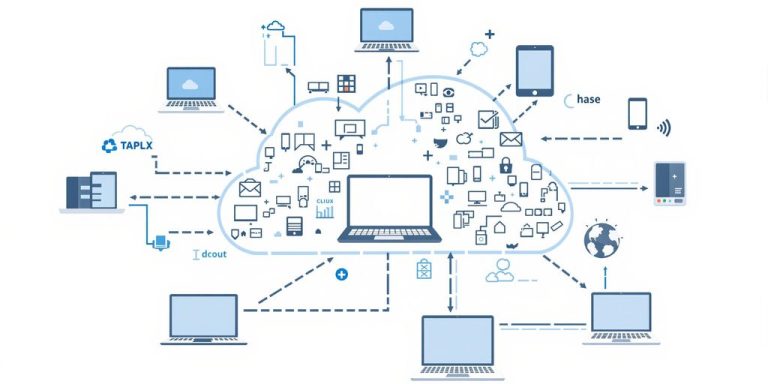
This is where things get really interesting. It’s not enough to just have a collection of good software; you need to make them work together. Integration means connecting different applications so that data flows between them automatically. This can eliminate a lot of manual data entry and reduce errors. For example, connecting your email marketing software to your customer relationship management (CRM) system means new leads from your website automatically get added to your contact list. This kind of interconnectedness saves time and makes your overall workflow much smoother. It’s about creating a digital ecosystem that supports your productivity goals.
The pandemic really showed us how much we rely on technology for work. Laptops became offices, and kitchen tables turned into meeting rooms. This shift means that knowing how to use technology well isn’t just a nice-to-have anymore; it’s pretty much a requirement for getting things done.
Here are a few ways to think about integrating your software:
- Automate repetitive tasks: Look for software that can handle tasks you do over and over, like sending follow-up emails or generating reports.
- Centralize information: Use tools that bring all your important data into one place, so you’re not constantly searching through different apps.
- Improve team collaboration: Choose software that allows for easy sharing and co-editing of documents, making teamwork smoother.
By thoughtfully combining these tools, you can create a more efficient and less stressful work experience. It takes a bit of planning, but the payoff in terms of time saved and reduced frustration is usually well worth the effort.
Cultivating Skills Through Software and Learning
It’s easy to get stuck in a rut, right? You’re doing your job, maybe even doing it well, but you feel like there’s more you could be doing. That’s where actively working on your skills comes in. It’s not just about learning new software; it’s about growing as a professional.
Identifying Areas for Professional Development
First things first, you need to figure out what skills you actually need to work on. Take a good, hard look at your current role and where you want your career to go. Are there tasks you find yourself struggling with? Are there new technologies popping up in your industry that you don’t understand? Maybe you’ve noticed that your reports aren’t as clear as they could be, or that you’re not great at explaining complex ideas to your team. Jotting these things down is a good start. Think about what your colleagues do well that you admire, or what skills are mentioned often in job descriptions for roles you’re interested in. It’s about being honest with yourself about where you are and where you want to be.
Setting Goals with Software-Aided Strategies
Once you know what you want to improve, you need a plan. This is where software can really help. Instead of just saying “I want to get better at presentations,” you can set a specific goal like “I will complete an online course on presentation software and practice delivering a 10-minute presentation to my team by the end of next quarter.” You can use project management tools to break down larger learning goals into smaller, manageable steps. Tracking your progress is also key. Many apps allow you to set reminders, track time spent studying, or even measure performance improvements. This keeps you accountable and shows you how far you’ve come. For instance, if you’re learning a new programming language, you might use a platform that tracks your coding exercises and progress through different modules. Check out developer learning platforms for structured ways to improve your coding skills developer learning platforms.
Embracing Continuous Learning with Digital Tools
Learning doesn’t stop after you finish a course or achieve a goal. The professional world changes fast, and staying current means making learning a regular habit. Digital tools make this easier than ever. You can subscribe to industry newsletters, follow thought leaders on social media, or use apps that curate articles and podcasts related to your field. Online courses and webinars are always available, letting you learn at your own pace, whenever it suits you. Even simple things like setting up Google Alerts for keywords related to your industry can keep you informed about new developments. The key is to make learning a part of your routine, not just something you do when you have a problem.
The most successful professionals are often the ones who are most curious and willing to adapt. They see learning not as a chore, but as an opportunity to grow and stay relevant in their careers. It’s about building a mindset where you’re always looking for ways to improve and acquire new knowledge or skills.
Unlocking Creative Potential with Software
Sometimes, getting stuck creatively is just part of the process. It happens to everyone, whether you’re trying to come up with a new marketing campaign or just figuring out how to present data in a more interesting way. The good news is, there’s a lot of software out there that can help you break through those mental blocks and get your ideas flowing again.
Overcoming Creative Obstacles with Software
Think about graphic design software, for example. Tools like Adobe Photoshop or Illustrator aren’t just for making pretty pictures; they can be used to visualize abstract concepts or create mood boards that spark new directions. Playing around with different visual styles and layouts can often jolt your brain out of a rut. Even simple mind-mapping software can help you organize scattered thoughts and see connections you might have missed. It’s about using these tools not just for their intended purpose, but as springboards for new thinking. You can explore different visual approaches to a problem, which is a great way to get unstuck. For instance, using image editing software can help you see a project from a completely different angle, which is a key part of creative problem-solving. Check out resources on image manipulation software to see how others are using it.
Applying Software Techniques for Problem-Solving
When you’re faced with a tricky problem, software can offer structured ways to approach it. Brainstorming tools, for instance, allow you to capture every idea, no matter how wild, without immediate judgment. This is a big step in overcoming that inner critic that often stifles creativity. You can then use collaborative platforms to share these ideas with a team, gather feedback, and refine them. Think about project management software, too. While it’s often seen as purely organizational, the way it breaks down complex tasks into smaller, manageable steps can actually make a daunting problem feel less overwhelming and more solvable. It helps you see the path forward.
Fostering Group Creativity Through Digital Platforms
Getting a group to be creative together can be tough. People have different working styles, and sometimes one or two voices dominate. Digital platforms can really level the playing field. Online whiteboards, for example, let everyone contribute ideas simultaneously, and they can be saved and revisited later. Shared document editing allows for real-time collaboration and feedback, making the creative process more inclusive. Even simple tools like shared cloud storage can make it easier for team members to access and build upon each other’s work. This shared digital space can really help a group move forward together.
Sometimes, the best way to get a new idea is to combine existing ones in an unexpected way. Software can help you do that by making it easier to collect, organize, and remix information from different sources.
Enhancing Professional Growth with Technology

In today’s fast-paced work environment, staying ahead means actively using technology to boost your career. It’s not just about knowing how to use software; it’s about using it smartly to get ahead. Think of technology as a tool that can really help you move forward professionally.
Leveraging Software for Career Advancement
Software can be a real game-changer for your career. It helps you organize your work, learn new things, and even find new opportunities. For instance, using project management tools can make you more efficient, which employers notice. Also, platforms that track your skills and suggest training can point you toward promotions or new roles. It’s about making yourself more visible and valuable. Keeping your professional profile updated on sites like LinkedIn, and using it to connect with people in your field, is a smart move. It’s a way to show what you can do and learn from others. You can find tools that help you manage your job search or track your professional development goals, making the whole process less overwhelming. Consider using software like Deel Engage to guide your career growth and improve your performance Deel Engage.
Utilizing Technology for Industry Insights
To really grow in your career, you need to know what’s happening in your industry. Technology makes this much easier. You can subscribe to industry newsletters, follow key influencers on social media, or use news aggregation apps to get the latest updates. Reading industry reports or analyses, often available online, can give you a good sense of where things are headed. This knowledge helps you make better decisions in your current role and anticipate future trends. Staying informed also means you can contribute more meaningfully in meetings and discussions, showing you’re engaged and knowledgeable. It’s about being aware of market shifts, new technologies, and competitor activities. This kind of insight can spark new ideas for your work or even suggest new career paths.
Building Networks Through Digital Software
Connecting with other professionals is super important, and technology makes it easier than ever. Online platforms and social media are great for finding people in your field, joining groups, and participating in discussions. These connections can lead to new job prospects, collaborations, or just helpful advice. Don’t underestimate the power of a well-maintained online presence. Attending virtual conferences or webinars also offers chances to meet new people and learn from experts. Building a strong network means you have a support system and a source of information that can help you throughout your career. It’s about creating relationships that are mutually beneficial, sharing knowledge, and offering support when you can. Remember, networking isn’t just about what you can get; it’s also about what you can give.
Developing Key Professional Competencies

It’s not just about knowing how to use the software, right? We also need to get good at the things that make us valuable employees. Think about it – if you can’t really think through a problem or work well with others, even the fanciest software won’t help much. So, let’s talk about some of these core abilities.
Sharpening Critical Thinking with Software
Software can actually be a pretty neat tool for getting better at thinking critically. Instead of just accepting what you see, you can use programs to dig into data, spot patterns, and really question things. For example, using spreadsheet software to analyze sales figures might reveal why one product isn’t selling as well as another. It’s about using the tools to ask ‘why’ and ‘what if’. This analytical approach helps you make smarter decisions. You can also use simulation software to test out different scenarios before committing to a real-world action, which is a great way to avoid costly mistakes. Learning about different technical skills can also help you understand how software impacts problem-solving [b9eb].
Cultivating Adaptability Through Technology
Things change fast, especially with technology. Being able to roll with the punches and learn new systems quickly is a big deal. Software updates, new platforms, different ways of doing things – it all requires us to be flexible. Think about when your company switches to a new project management tool. Instead of getting frustrated, try to see it as a chance to learn something new. Being adaptable means you’re not afraid of change; you see it as an opportunity to grow. It’s about being willing to try different software and workflows.
Improving Communication Skills with Software
Good communication is key, and software plays a huge part in how we connect today. Email, instant messaging, video conferencing – these are all software tools that help us talk to each other. But it’s not just about sending messages; it’s about sending the right messages. Using grammar checkers can help clean up your writing, and presentation software helps you get your ideas across clearly. Even using a shared document system means everyone is on the same page. It makes collaborating much smoother when everyone knows what’s going on.
Being able to clearly explain your thoughts, whether in writing or speaking, is a skill that software can support but not replace. It’s about clarity and making sure your message lands effectively with your audience.
Harnessing Technology for Personal Success
It’s easy to get caught up in using software for work, but technology can also really help with your personal life. Think about it – from keeping track of your fitness goals to managing your finances, there are tons of apps and programs out there designed to make everyday living a bit smoother. The key is to find the right tools that fit your lifestyle and help you achieve your personal objectives.
Balancing Digital Wellness with Software Use
We all spend a lot of time looking at screens, right? It’s important to be mindful of how much time we’re spending online and what we’re doing. Setting limits on certain apps or using features that track your screen time can be super helpful. It’s about using technology intentionally, not letting it use you. Maybe try scheduling tech-free times during the day, like during meals or an hour before bed. This helps you stay present and connect with the world around you.
Utilizing Software for Health and Well-being
There’s a whole category of software dedicated to health and wellness. Fitness trackers, meditation apps, and even recipe organizers can make a big difference. For instance, using a meal planning app can help you eat healthier and save money. Or, a simple meditation app can offer guided sessions to help you de-stress after a long day. These tools are designed to support your physical and mental health, making it easier to build good habits. You can even find software that helps you manage appointments and prescriptions, keeping your health organized.
Empowering Potential Through Software Mastery
Getting comfortable with different types of software can really open up possibilities in your personal life. Maybe you want to learn a new skill, like digital art or coding. There are platforms that offer courses and tutorials for almost anything you can think of. For example, you could use a program like Adobe Captivate to create your own interactive learning modules on a topic you’re passionate about. The more you learn and experiment with technology, the more you can use it to pursue your interests and grow as a person. It’s about seeing software not just as a work tool, but as a way to enrich your life and explore your capabilities.
Wrapping Up: Your Path Forward
So, we’ve talked about a bunch of software and ways to get better at your job. It’s not just about knowing how to use the latest apps, though. It’s really about figuring out what you need to learn, setting some realistic goals, and then actually going after them. Think about where you want to be in your career and what tools can help you get there. Keep learning new things, stay open to different ideas, and don’t be afraid to try new software. It’s all about making progress, step by step. You’ve got this.
Frequently Asked Questions
How can I figure out what skills I need to improve?
Think about what you’re good at and what you want to get better at. Maybe you need to learn a new computer program or get better at talking to people. Once you know what to work on, make a plan. You can take classes, read books, or join a group to help you learn.
How can software help me reach my goals?
Using software can help you organize your tasks, manage your time better, and even learn new things. Programs can help you keep track of your goals and see how you’re doing. This makes it easier to stay on track and reach your targets.
How can technology help me meet new people and grow my career?
Technology can help you connect with other people in your field. You can join online groups or attend virtual events to meet new people. Sharing ideas and learning from others can help you grow in your career.
Why is it important to keep learning new things?
Being open to new ideas and learning new things is super important. The world changes fast, so you need to keep up. Try to learn about new tools and ways of doing things. This helps you stay useful and find new chances.
How can software help me solve problems creatively?
Software can help you think about problems in different ways. Some programs let you brainstorm ideas or try out new solutions. This can help you come up with creative answers to tough questions.
How can I use technology without it taking over my life?
It’s good to use technology to help you stay healthy, like using apps to track your exercise or sleep. But it’s also important to take breaks from screens and do things in the real world. Finding a good balance helps you feel your best.